
How to find the radio serial
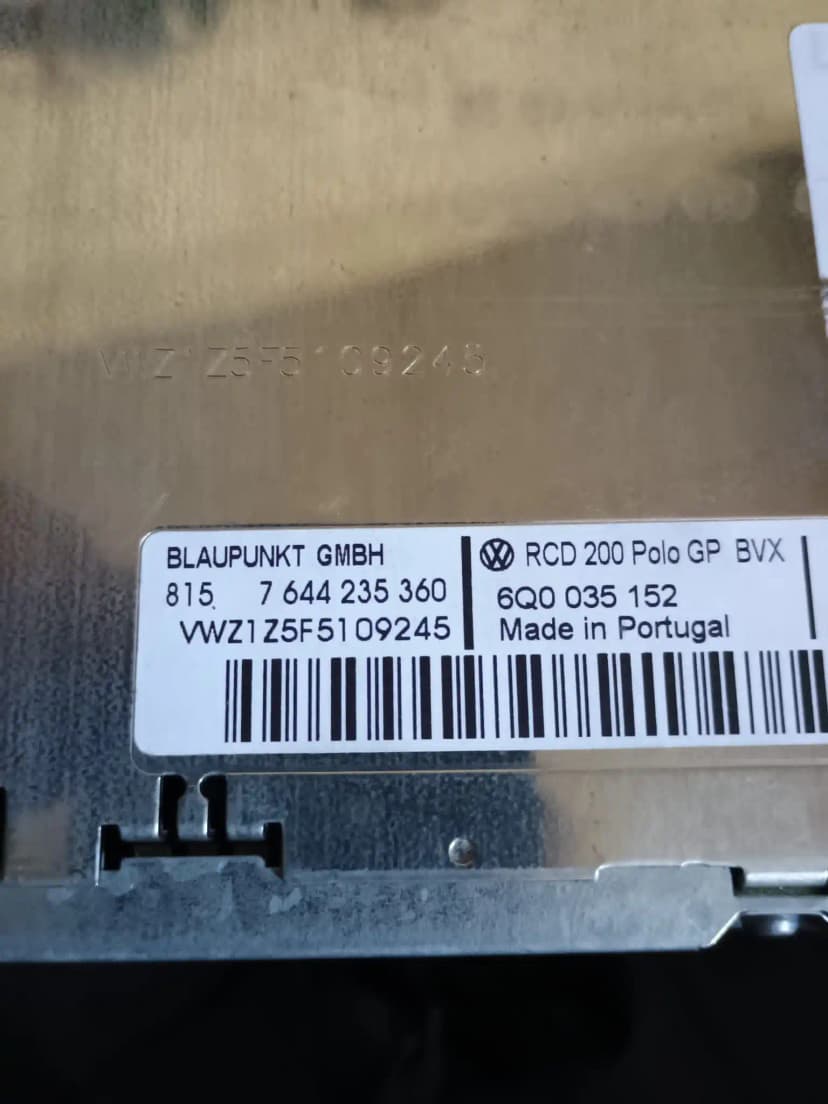
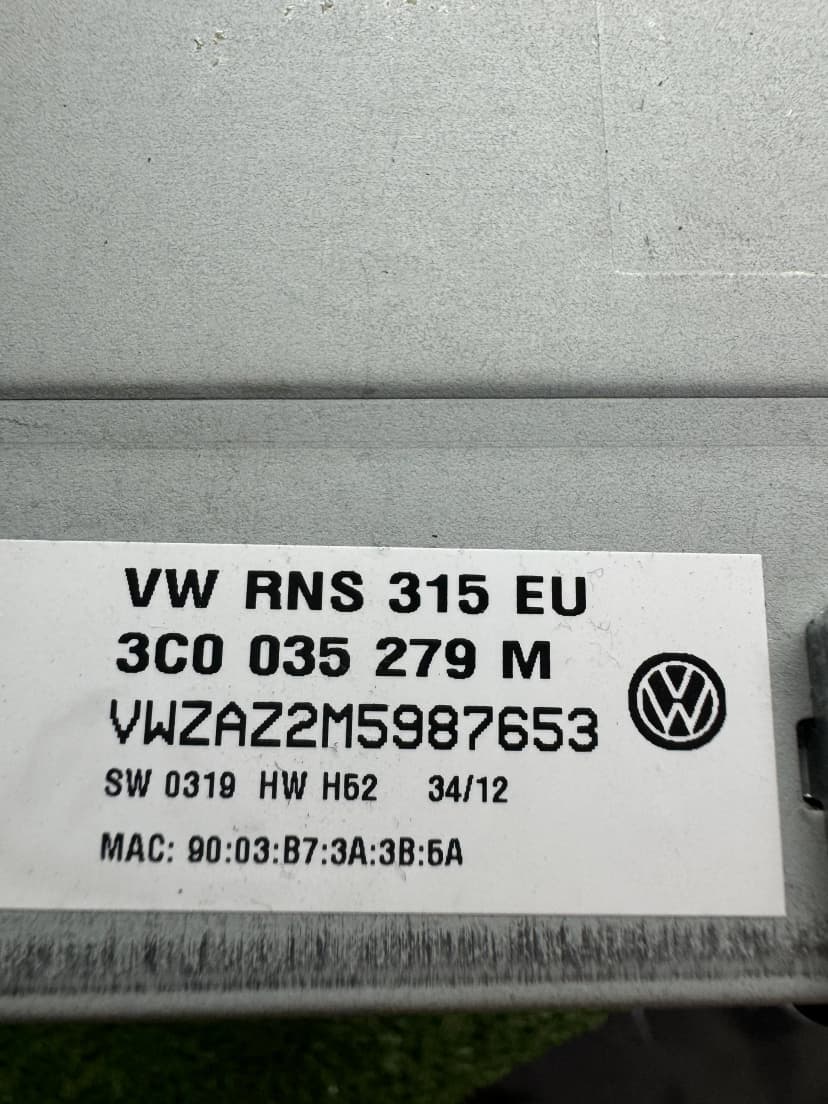
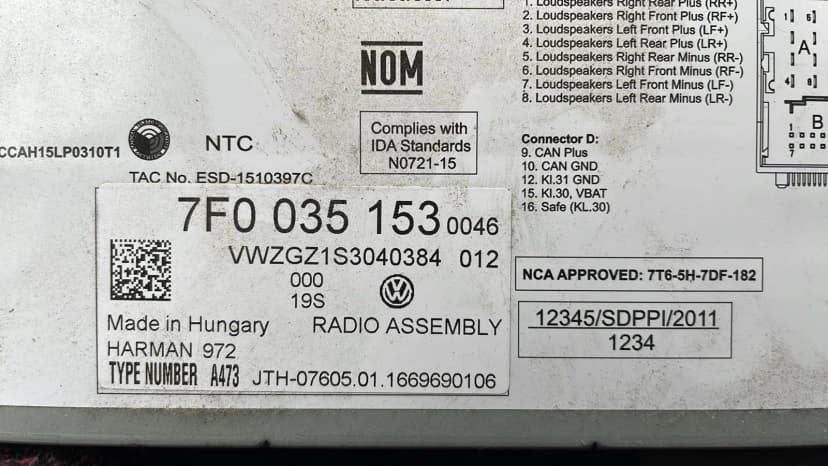
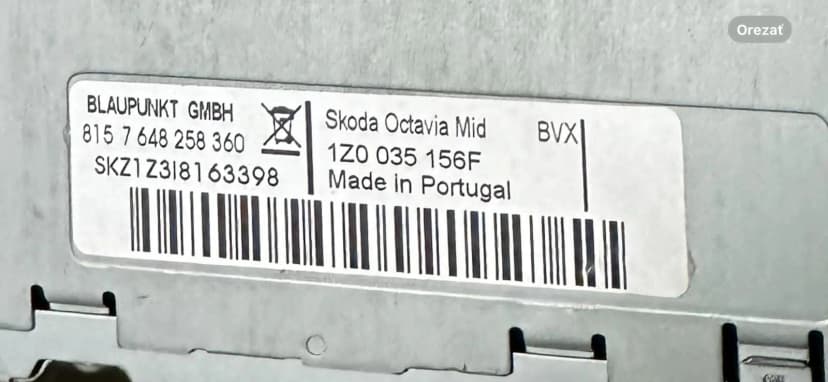
Check the fitted radio label first. Some units can also show the serial with button shortcuts, but the physical label is the safest source for order checks.
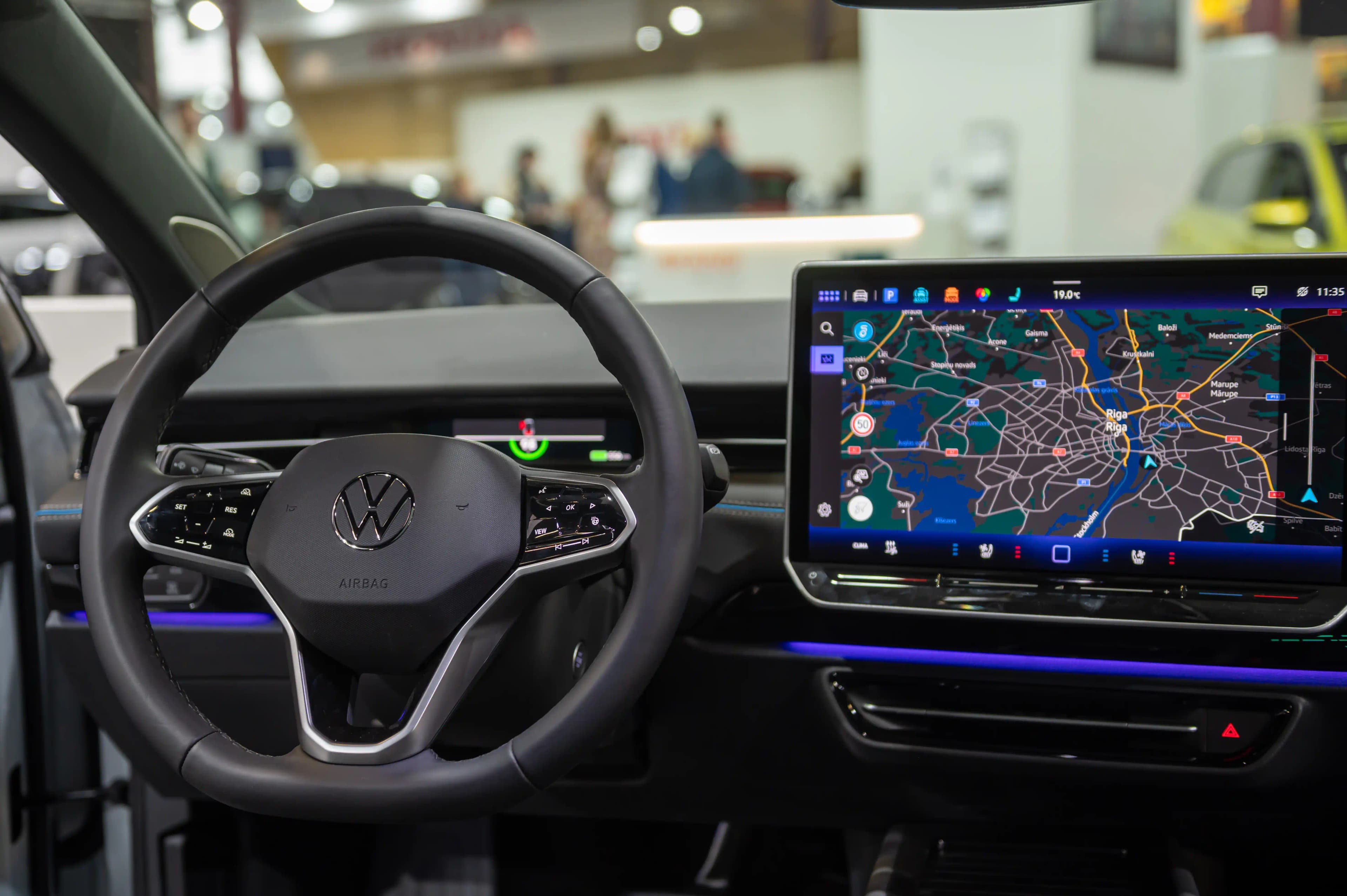
SEAT SAFE 2 usually needs a screen-state check before code entry. Use this guide to separate SAFE, SAFE 2, 1000 and CODE prompts safely.
If a SEAT radio shows SAFE 2 after a battery change, used-radio installation or rejected code, stop guessing and collect the fitted unit evidence first. The serial, part number, casing label, front panel and exact display state decide whether a supported radio-code request can be reviewed or whether the unit needs compatibility guidance.
Use these steps before ordering, entering a code or handling SAFE mode for SEAT.
Check the fitted radio label first. Some units can also show the serial with button shortcuts, but the physical label is the safest source for order checks.
Select the brand, enter the fitted-unit serial, add your email and complete secure checkout. The estimated delivery time is shown before payment.
Most classic VAG radios use preset buttons to set the four digits, then a confirm button. Touchscreen units may use an on-screen prompt.
SAFE mode and support
SAFE or SAFE 2 usually means the radio is locked after power loss or wrong attempts. Waiting rules vary by unit, so avoid guessing.
This is an independent service. For supported units, codes are sourced from OEM database records using the fitted radio's serial number; we are not affiliated with Volkswagen Group brands.
Eligible factory-radio requests for Volkswagen, Audi, SKODA, SEAT and Cupra vehicles are supported through model year 2026. Availability depends on the exact fitted radio and serial number. Delivery time varies by brand and fitted radio. The current estimate is shown before checkout; manual or complex cases may take longer. The displayed time is an estimate, not a guarantee.
Choose your model below. Many factory-radio requests can be reviewed from the fitted unit serial.
6L / 6J and older code-entry searches
Leon 1M / older Aura, Alana and RCD context
Shared VAG platform context
Older SEAT radio waiting-state review
Older SEAT CD radio waiting-state review
Compatibility review before classic code entry
Many factory SEAT radio requests can be reviewed from the fitted unit serial, part number and unit family.
Anti-theft lock or waiting-state review
2000s-2010s
Possible code-entry prompt on older units
2000s-2010s
Older SEAT radio with unit-specific entry controls
2000s-2010s
Older SEAT CD radio with casing-label evidence
2000s-2010s
Shared VAG radio where prefix routing matters
2000s-2010s
Modern infotainment compatibility review
2010s-2020s
Find the serial number on your SEAT radio.
Enter your serial number and email. Pay securely with Stripe.
Receive the code by email after the serial check. Enter it only when your SEAT radio shows a code prompt.
Seeing SAFE 2 on a SEAT radio? Treat it as a warning state, not as a code-entry screen. Our SEAT radio SAFE 2 code guide helps you check the screen, fitted-unit serial, label and part number before another attempt.
SAFE 2 can appear after incorrect attempts, battery work, used-unit installation or a mismatch between paperwork and the radio installed now. Entering another code too early can fail or extend the waiting state, so start by identifying the fitted unit and the exact display.
Do not enter digits while the unit is still showing SAFE 2. Wait for a real entry state such as 1000, CODE or digit fields before using a reviewed code.
Previous guesses, old handbook cards or codes for a replaced radio can trigger a waiting state on many older SEAT and shared VAG units.
SEAT Mii requests may involve shared VAG platform radios, so the printed prefix and fitted-unit label should guide the support path.
Media, Navi and MIB screens may involve compatibility, software or pairing context rather than a classic four-digit SAFE workflow.
Read the display before another attempt. SAFE 2, SAFE, 1000, CODE and digit fields are different states, and the fitted unit label should be checked before code entry.
Keep vehicle or accessory power stable while checking the display state.
Record whether the screen shows SAFE 2, SAFE, 1000, CODE, digit fields or a modern infotainment warning.
Do not keep trying old handbook codes unless they match the radio installed now.
Photograph the front panel, casing label, serial, part number, manufacturer and barcode where possible.
Enter a code only when a real code-entry prompt appears and the code has been checked against the fitted unit.
Avoid guessing on SEAT SAFE 2 screens. Wrong attempts can trigger or extend a waiting state on many older VAG-style radios.
Use these steps before code entry. SAFE 2 requests should be handled from the fitted radio evidence, not from the vehicle model or old paperwork alone.
Confirm the radio or infotainment unit installed now from the front panel and casing label.
Wait until the unit shows a real entry state such as 1000, CODE or digit fields instead of SAFE 2.
Use Aura, Alana or RCD-specific controls only after the correct prompt is visible.
Check every digit before pressing the confirmation control.
Stop if the code is rejected or SAFE 2 returns, then recheck the serial, part number and screen evidence before another attempt.
Pro Tip: If the unit never reaches a classic four-digit prompt, treat it as a compatibility review for Media, Navi, MIB or replacement-unit context instead of forcing older instructions.
Photograph the display before pressing buttons. Include whether the screen says SAFE 2, SAFE, 1000, CODE, digit fields or a newer infotainment message.
Photograph the serial number, part number, manufacturer and barcode on the installed unit. This is stronger evidence than the vehicle badge or old paperwork.
Photograph the buttons and knobs because Aura, Alana, RCD and navigation-style units can use different confirmation controls.
Use old cards only as supporting context. They may belong to the original radio rather than the fitted unit now showing SAFE 2.
Common issues and how to fix them — no dealer visit needed.
Cause: Previous wrong attempts may have triggered a waiting state, or the unit may not be ready for code entry.
Solution: Keep power stable, collect fitted-unit evidence and wait for a genuine entry prompt before another reviewed attempt.
Cause: The code may belong to a different radio, a digit may have been entered incorrectly, or the fitted unit may not match the paperwork.
Solution: Stop, photograph the label and front panel, then recheck the serial, part number and entry sequence before any further attempt.
Cause: Owners often describe the same waiting-state symptom in different word order.
Solution: Treat it as a screen-state review: photograph the display and route the case by the fitted unit serial and label.
Cause: The issue may involve infotainment compatibility, software state, navigation context or replacement-unit pairing.
Solution: Collect system information, screen photos, serial and part number before using older SAFE 2 radio-code instructions.
Treat SAFE 2 as a warning or waiting-state page, not as a ready-to-enter code page.
Route each request by the fitted unit label, serial, part number and exact screen state.
Keep Mii, Ibiza, Leon, Aura and Alana intent on one useful support page instead of making thin duplicate SAFE 2 pages.
Do not promise recovery from VIN details alone because used SEAT vehicles often have replacement radios or missing paperwork.
Why thousands of SEAT owners choose our online service over visiting a dealership.
| Feature | SEAT Dealer | Radio Code Find |
|---|---|---|
| Price | Dealer or workshop quote varies | From €40 |
| Delivery Time | Depends on booking and unit review | Estimated delivery: 1–6 hours (estimate; complex cases may take longer) |
| Visit Required | May be required for diagnostics | No visit for supported serial-based requests |
| Main Input | Vehicle documents and workshop check | Fitted unit serial, label, part number and screen state |
SEAT radio SAFE 2 requests commonly come from battery replacement, rejected code attempts, missing handbook cards, used replacement radios, Mii 2 SAFE searches and older Ibiza, Leon, Alana, Aura, Toledo and Altea ownership across Germany, Austria, Switzerland, Spain, the United Kingdom, France, Portugal, Italy, Turkey and wider European used-car markets.
Requests can be reviewed online from fitted-unit evidence, with email support for compatible cases. Some modern infotainment systems may require a compatibility check.
Volkswagen Golf Owner
"My Volkswagen radio locked after a battery change. I entered the serial, paid, and the code worked on the first try — saved me a dealer visit."
Car Enthusiast
"Extremely fast and reliable service. Entered my radio's serial number and received the code by email. Highly recommend to anyone in the same situation."
Audi A4 Owner
"Excellent service! Got my Audi radio code after the lookup. The verification process was simple and the price was reasonable. 100% satisfied."
Skoda Octavia Driver
"Customer support was very helpful when I had questions about my Skoda radio. Got my code quickly and it worked on the first try!"
Compare our professional service with other options
| Feature | Radio Code Find | VW Dealer | Facebook/WhatsApp |
|---|---|---|---|
Price | €15.00 | €50-100 | €10-30 |
Delivery Time | 1–6 hours (estimate; complex cases may take longer)Estimated before checkout; manual or complex cases may take longer | 1-3 days | Uncertain |
24/7 Service | |||
Checked Lookup Sources | Maybe | ||
Secure Payment (Stripe) | |||
| No Appointment Needed | |||
| Scam Risk | No Risk | No Risk | High Risk |
Start your SEAT radio unlock with Radio Code Find.
SEAT and related model names are registered trademarks. Radio Code Find is an independent service provider.